Comfort and essentials
Identify the HVAC systems, refrigeration, selected lighting, communications, and access equipment you want available during an outage. Separate essential needs from optional loads.
Home standby generators
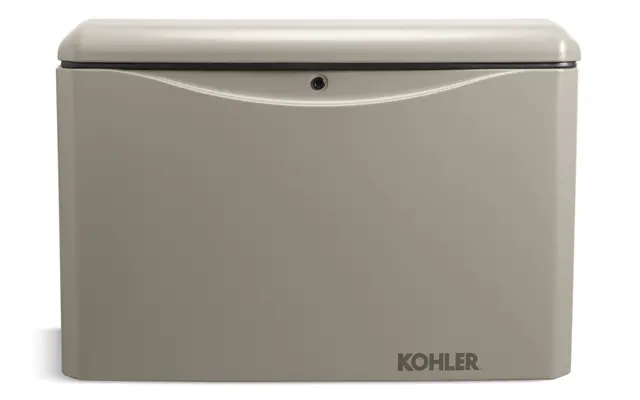
Plan KOHLER standby-generator electrical work for your Dallas–Fort Worth home, from priority loads and transfer equipment to panel integration, fuel coordination, and a considered installation location.
Dallas–Fort Worth standby power
For a large home, backup power starts with daily life: cooling, refrigeration, lighting, gates, home-office equipment, and other loads the household depends on. Kinzler helps organize the generator electrical scope around those priorities, the existing service, and the property's site conditions. Whole-home goals deserve a load assessment, not a guess based on square footage.
Identify the HVAC systems, refrigeration, selected lighting, communications, and access equipment you want available during an outage. Separate essential needs from optional loads.
Discuss pool equipment, multiple air-conditioning systems, EV charging, additions, and other substantial loads. Their operating priorities shape capacity and load-management decisions.
Review available natural gas or propane, the fuel provider's requirements, equipment access, and placement constraints with the project team before selecting equipment.
Plan around landscape, exterior finishes, circulation, service access, and neighborhood requirements. Electrical routing and installation location should be considered together.
Define the electrical scope
Review the transfer arrangement, existing service and panel connections, and which loads the proposed system is intended to serve. Equipment compatibility and final design follow the site review.
Consider panel condition, circuit organization, planned electrical upgrades, and load-management options. SPAN planning can be discussed where it fits the particular equipment and design.
Define electrical work, fuel work, site preparation, permitting, startup, and ongoing service responsibilities in the project scope so each trade's handoff is clear.
From assessment to handoff
Describe the home's outage goals, household routines, expected loads, and future electrical needs.
Arrange review of electrical service, equipment locations, fuel context, access, and coordination requirements.
Confirm the proposed equipment path, trade responsibilities, project assumptions, and installation sequence before ordering.
Establish inspection, startup, owner orientation, and service contacts for the selected system as part of the project plan.
Share what you already know. A professional site review resolves the electrical details; you do not need to open equipment or investigate wiring.
Request a Generator AssessmentThat depends on the home's electrical loads, their starting requirements, the selected generator, fuel supply, and any load-management design. Whole-home coverage and selected-load backup are different project goals. The assessment should establish what can run together before a size or equipment package is quoted.
The scope depends on equipment selection, transfer arrangement, electrical-service conditions, fuel work, distance and routing, site preparation, and permit requirements. Send the property details and backup priorities for a project-specific assessment. A product price alone does not describe the installed project.
Start with what you need during an outage and for how long. A standby generator, battery system, and smart panel serve different roles. Fuel availability, solar plans, priority loads, and electrical capacity help determine which combination is worth evaluating; compatibility must be checked for the actual equipment.
Include the builder, estate manager, architect, or other project contact in your request. Their plans, access requirements, finish expectations, and construction schedule help define the electrical scope and handoffs.
Confirm those responsibilities in the project proposal for the selected equipment. Electrical installation, fuel work, manufacturer startup, warranty service, and routine maintenance may involve different parties. The assessment is the time to establish those contacts and any separate agreements.